Uber's Not Just a Ride Anymore—It's a Glimpse into the On-Demand Everything Future
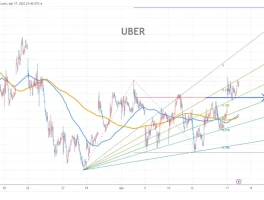
Shares of Uber are up 51% this year. Bill Ackman's got a huge stake. They're adding retail partners left and right. But honestly, the real story isn't just about the stock price or the latest earnings report. It's about something much bigger: Uber is quietly building the infrastructure for an "on-demand everything" future, and it's happening faster than most people realize. I mean, think about it – what started as a simple way to get a ride is morphing into a platform where you can summon almost anything you need, right to your doorstep.
The Uber-fication of Everything
They call it "expanding retail selection," but I see something far more profound. PacSun, Camping World, Lush—these aren't just random partnerships. Uber Expands Retail to 50K U.S. Locations with New Brands They're pieces of a puzzle that, when assembled, paints a picture of instant gratification, of a world where convenience reigns supreme. Forget running errands; imagine tapping a button and having a new outfit, camping gear, or a luxurious bath bomb appear as if by magic. It’s like the printing press, but instead of democratizing information, it's democratizing access. I remember when you had to actually go to a store… now, that seems almost quaint, doesn’t it?
Uber's network effect is the key here. They've already got the drivers, the app, and the user base—189 million monthly active users, no less. And this is a powerful competitive strength. Every new service they add makes the platform stickier, more valuable, and harder to compete with. As Hashim Amin, Head of Retail for North America at Uber, put it: "Uber is becoming a seamless shopping destination for whatever customers need, whenever they need it." And if you're an Uber One member? Forget about delivery fees.
Now, some might say this is just another example of corporate greed, of companies trying to squeeze every last dollar out of consumers. And sure, there's a valid argument to be made about the potential downsides of convenience culture. But I believe there's also a tremendous opportunity here to create a more efficient, more accessible world for everyone.
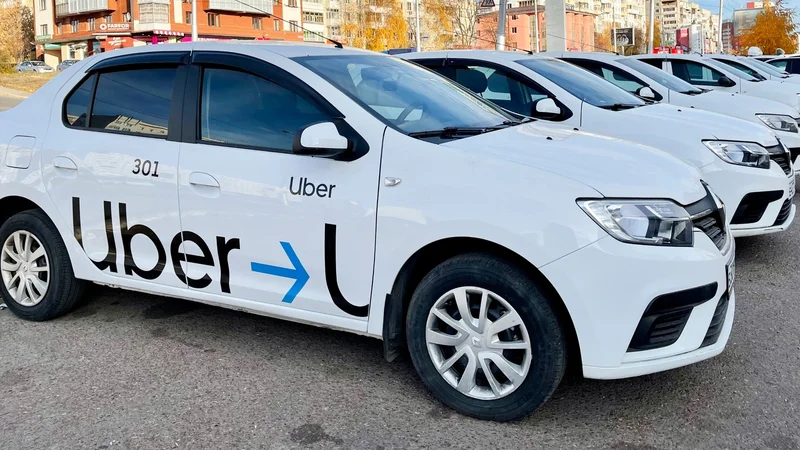
Consider the possibilities: on-demand healthcare, personalized education, even instant access to specialized skills and services. Uber's platform could become the central nervous system for a new kind of economy, one where resources are allocated dynamically and efficiently based on real-time demand. Of course, there are ethical considerations. We need to ensure that this on-demand future doesn't leave anyone behind, that it creates opportunities for everyone, not just a privileged few.
This expansion into retail also shows they aren't just competing with Lyft (LYFT) anymore. They're going head-to-head with Amazon (AMZN), DoorDash, and countless other retailers. The battlefield is shifting, and Uber is positioning itself to be a major player in the on-demand economy. But what about the politicians?
It's interesting to note that Representative Lisa C. McClain recently sold some of her Uber stock. Rep. Lisa C. McClain Sells Uber Technologies, Inc. (NYSE:UBER) Stock Does she know something we don't? Or was it just portfolio rebalancing? I found this comment online, and it seems to echo my sentiments: "Uber is transforming from a ride-hailing app to a comprehensive logistics and delivery platform. Their expansion into retail is a game-changer."
The Future is Being Delivered, One Tap at a Time
When I look at Uber today, I don't just see a ride-sharing company. I see a glimpse into the future, a future where everything is on-demand, personalized, and instantly accessible. And honestly, that's the kind of breakthrough that reminds me why I got into this field in the first place.